
What Are the Top Interior Design Trends for 2026? Insights from Paris Design Shows

The year ahead brings a remarkable shift in how designers and homeowners approach their spaces. After attending Maison & Objet and Paris Deco Off, two of the world's most influential design shows, a clear picture emerges: 2026 interior design celebrates emotionally resonant environments that feel lived in while maintaining sophisticated elegance. These international showcases revealed how contemporary designers balance unexpected pairings with timeless beauty, creating rooms that tell a story while remaining perfectly functional for real life. Among the most striking presentations were the exquisite fabric collections from Pierre Frey Paris, whose designs captured the essence of these emerging trends through masterful pattern work and rich color palettes.
The trends emerging from Paris represent more than fleeting moments of inspiration. They reflect a deeper desire for spaces that connect inhabitants to history, nature, and community. From the bold return of maximalist botanicals to the subtle sophistication of Art Deco patterns reimagined for modern interiors, these movements emphasize individual taste over cookie-cutter design choices. The emphasis on natural materials, rich texture, and thoughtful space planning demonstrates how interior designers are creating homes that serve as sanctuaries without sacrificing personality or warmth.
This comprehensive exploration of 2026's most influential design trends reveals practical ideas that architects, decorators, principal designers, and homeowners can implement immediately. Whether refreshing a single room or undertaking complete renovation projects, understanding these movements provides essential context for making design choices that will remain relevant for years. The focus on sustainability, biophilic elements, and versatile layouts ensures these trends offer both aesthetic appeal and functional depth.
Interior Design's Return to Maximalism
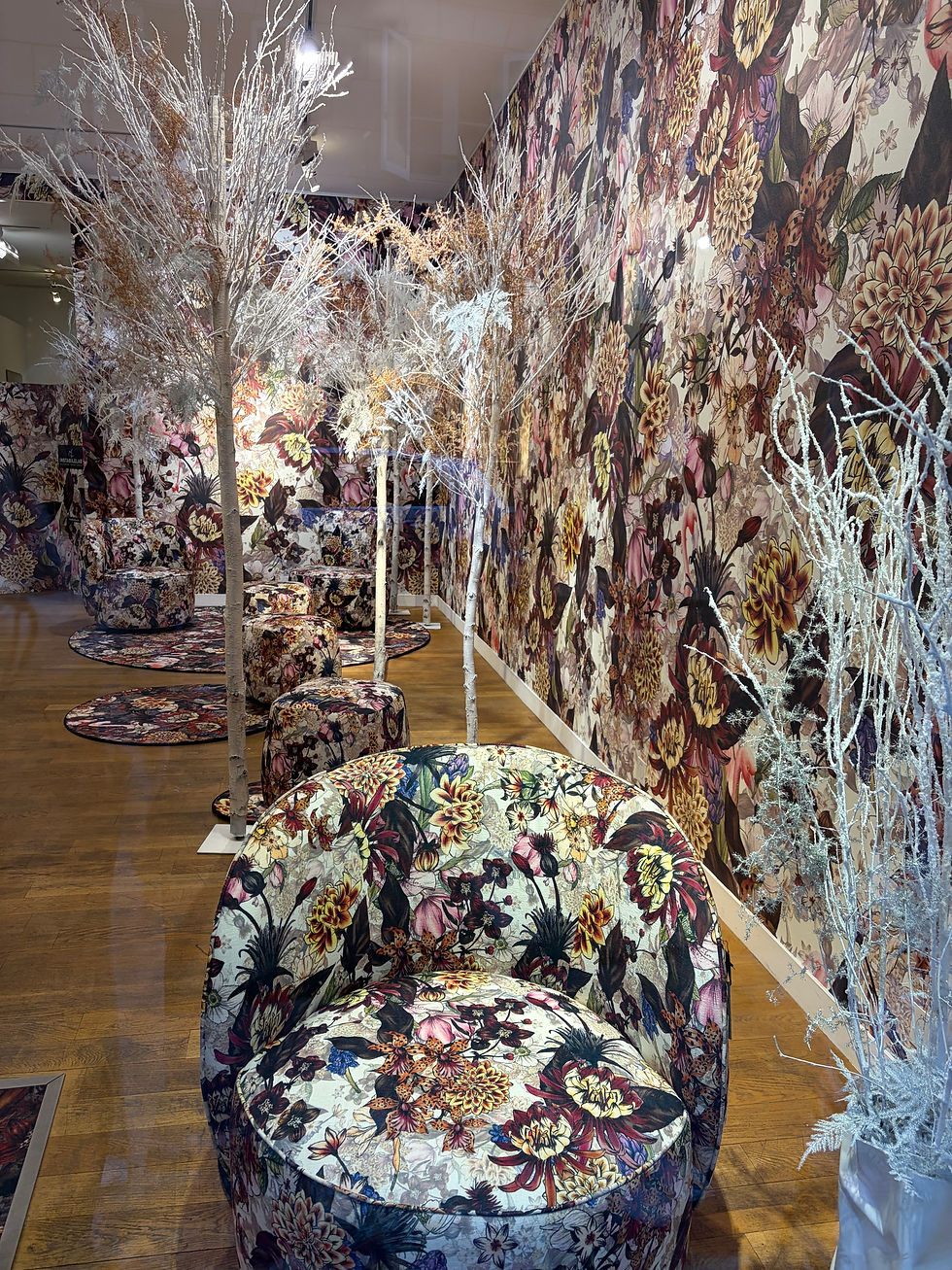
Maximalism makes a triumphant comeback in 2026, rejecting years of minimalist restraint for spaces brimming with life and visual interest. This movement doesn't mean cluttered or chaotic. Rather, it celebrates layered patterns, rich color palettes, and curated collections that reflect personal history and conversation-worthy decorating moments. Designers showcased rooms where every element contributes to an overall sense of abundance without overwhelming the space planning fundamentals that keep interiors functional.
The maximalist approach seen throughout Paris demonstrates how multiple patterns can coexist when unified by thoughtful color coordination and scale variation. Walls adorned with bold botanicals pair beautifully with geometric rugs, while furniture upholstered in contrasting prints creates depth and movement within a room. This style requires confidence in design choices but rewards with spaces that feel genuinely inhabited rather than staged for photography.
According to Architectural Digest's trend analysis, maximalism represents a psychological shift toward comfort and self-expression after years of restrictive design rules. The trend embraces:
Layered textiles: Multiple rugs, throws, and pillows in complementary patterns create warmth
Gallery walls: Eclectic art collections that showcase personality and personal story
Bold lighting fixtures: Statement chandeliers and sculptural lamps become conversation pieces
Rich materials: Velvet, silk, and textured wallcoverings add sensory depth

This particular display demonstrates how maximalism incorporates desert tones and terracotta elements while maintaining visual coherence. The careful balance prevents the space from feeling cluttered, instead achieving an intentional abundance that invites exploration and rest.
How Are Botanicals and Florals Being Used in Home Design?
Botanical and floral motifs dominate 2026 interior design, but not in the delicate, understated manner of previous eras. Contemporary designers embrace oversized florals, dramatic palm fronds, and unexpected botanical renderings that transform walls, furniture, and decorative arts into living gardens. These patterns bring biophilic design principles indoors, satisfying the fundamental human desire to maintain connection with the natural world even within urban environments.
Creating Biophilic Design Through Botanical Patterns
The scientific community has long documented the psychological benefits of biophilic design. Interior environments that incorporate natural elements improve mood, productivity, and overall well-being. Floral and botanical patterns serve as accessible entry points for homeowners who cannot accommodate extensive natural light or live plants. A dramatic palm-print wallpaper or oversized floral upholstery creates the same visual connection to nature that supports mental health and creates emotionally resonant spaces.
This maximalist botanical installation demonstrates the trend's boldness. Oversized leaves and flowers create immersive environments where the decoration becomes the primary architectural feature. The green and teal colorways seen here reflect nature's palette while maintaining sophisticated elegance.

Desert-toned botanicals represent another direction within this trend, pairing terracotta and warm earth tones with organic forms. This approach suits spaces where warmth and grounding energy are essential, particularly in office environments or living areas where clients and community gather.
Which Botanical Styles Work Best for Different Rooms?
Living rooms: Large-scale florals on accent walls create focal points without overwhelming furniture arrangements
Bedrooms: Delicate botanical prints on bedding and curtains promote rest while maintaining the trend's essence
Dining areas: Bold patterns on chairs or wallpaper encourage lively conversation and create memorable gathering spaces
Entryways: Dramatic botanical murals make powerful first impressions and set the tone for the entire house
The versatility of botanical and floral patterns allows for implementation across various design styles, from traditional to contemporary. The key lies in scale selection. Oversized patterns suit spaces with high ceilings and generous square footage, while smaller repeating motifs work better in compact rooms where visual density might otherwise overwhelm.
Interior Designers Embrace Art Deco Patterns for 2026
Art Deco patterns experience renewed appreciation as designers look to the 1920s and 1930s for inspiration that feels both historical and fresh. The timing couldn't be more perfect: it's the 100-year anniversary of the Art Deco movement, with major exhibitions taking place in Paris museums celebrating this influential design era. The geometric precision, symmetrical layouts, and metallic accents characteristic of this era translate beautifully into contemporary interiors. Unlike previous revivals that felt costume-like, 2026's interpretation of Art Deco focuses on incorporating signature elements (sunburst motifs, stepped forms, and bold geometric patterns) as sophisticated accents rather than complete period recreations.

This example showcases how Art Deco patterns in desert tones and terracotta create warmth while maintaining the movement's essential geometry and elegance. The angular forms and symmetrical repetition bring order to spaces while the warm color palette prevents the coldness sometimes associated with geometric design.
Why Are Art Deco Elements Perfect for Modern Spaces?
Art Deco's emphasis on clean lines and geometric precision aligns perfectly with contemporary desires for order and clarity in home design. The style's inherent glamour adds sophistication without requiring extensive renovation or architectural changes. A few well-chosen Art Deco elements (perhaps a geometric rug, a sunburst mirror, or wallpaper with stepped patterns) instantly elevate a room's perceived quality and design sophistication.

Green and teal colorways bring Art Deco patterns into alignment with 2026's broader color palette trends. These combinations feel fresh rather than dated, proving the pattern style's versatility across different color schemes and design contexts.
The Paris shows revealed Art Deco's particular success in:
Powder rooms and bathrooms: Geometric tile patterns create stunning focal points in small spaces
Home bars and entertainment areas: The era's association with glamour and celebration suits social spaces
Formal dining rooms: Sophisticated patterns elevate special occasion spaces
Bedroom accent walls: Bold geometry behind beds creates dramatic but restful backdrops
Classic Italian Renaissance Influences in Contemporary Interiors
Renaissance-inspired elements bring gravitas and historical depth to 2026 interior design. This movement draws from Italian art, architecture, and decorative traditions to create spaces that feel substantial and timeless. Unlike minimalist trends that strip away ornamentation, the Renaissance revival celebrates detailed moldings, classical proportions, and rich materials that connect contemporary homes to centuries of design excellence.

Classical Renaissance styling emphasizes symmetry, proportion, and balanced composition, principles that remain relevant regardless of current trend cycles. The architectural elements seen in this example (ornate frames, detailed cornices, and classical motifs) demonstrate how historical references can coexist with modern functionality.
How to Incorporate Renaissance Elements Without Overwhelming Modern Spaces
The key to successfully integrating Renaissance influences lies in selective application rather than comprehensive transformation. A single statement piece (perhaps a reproduction Renaissance painting, a classical sculpture, or architectural molding) can anchor an entire room's design without requiring every element to match. This approach honors the era's aesthetic while maintaining the livability and layout flexibility contemporary life demands.

This maximalist interpretation layers Renaissance patterns with botanical elements and rich color work, creating depth through unexpected pairings. The combination demonstrates how classical influences can support rather than constrain contemporary creativity.
The trend particularly succeeds in:
Libraries and studies: Classical elements reinforce the intellectual atmosphere
Formal entryways: Renaissance architecture creates impressive first impressions
Primary bedrooms: Ornate details add romance and luxury
Living rooms with high ceilings: Classical proportions suit generous vertical space
According to research from the National Trust for Historic Preservation, incorporating historical design elements creates emotional connections to the past that enhance our experience of present spaces. This principle explains Renaissance design's enduring appeal. It satisfies our desire for connection to shared cultural history while providing timeless beauty.
What Color Palettes Are Trending in 2026?
Color palettes for 2026 demonstrate clear preferences for natural, earthy tones with particular emphasis on green and teal colorways. These hues satisfy multiple design objectives simultaneously as they connect to biophilic design principles, create calming environments conducive to rest and focus, and offer versatility across different furniture styles and materials. The sophisticated greens showcased in Paris range from deep forest tones to bright emerald, while teal variations span from blue-green aquas to deeper peacock shades.

This maximalist pattern demonstrates how green and teal colorways can dominate a space without feeling overwhelming. The richness of these tones creates enveloping, cocoon-like environments that feel both sophisticated and comfortable – essential qualities for spaces where we live our actual lives rather than simply showcase design prowess.
Desert Tones and Terracotta Warmth
Complementing the cool sophistication of greens and teals, desert-inspired color palettes bring essential warmth to 2026 interiors. Terracotta, warm sands, clay reds, and dusty corals create grounding environments that feel connected to earth and sun. These tones particularly suit spaces where gathering and conversation occur, as warm colors psychologically encourage social interaction and community building.
The combination of cool greens with warm terracotta represents one of 2026's most successful unexpected pairings. The contrast between these temperatures creates visual interest while both color families maintain earthy, natural associations that prevent jarring disconnection. This balance allows rooms to feel energizing yet peaceful, sophisticated yet approachable, creating a cohesive atmosphere throughout the house.

Implementing 2026 Color Palettes
Strategic color application ensures trend participation without requiring complete room overhauls:
Accent walls: Bold green or terracotta on a single wall tests color commitment before full implementation
Upholstery: Teal sofas or terracotta chairs introduce color through flexible, replaceable furniture
Window treatments: Curtains and shades offer substantial color impact with relatively simple installation
Accessories: Pillows, throws, and decorative objects allow for trend experimentation with minimal investment
The key to successful color implementation lies in understanding undertones and creating cohesive relationships between all elements in a room. Green tones with blue undertones pair naturally with cool grays and whites, while yellow-green shades harmonize with warm woods and neutral tans. Similarly, terracotta works beautifully with dark wood furniture and natural fiber rugs, creating layers of warmth that enhance rather than compete.
Dark Wood Makes a Sophisticated Return

Dark wood furniture and architectural elements reclaim prominence after years of light oak and white-washed finishes dominating interior design. This shift reflects broader trends toward depth, richness, and visual weight in residential spaces. Deep walnut, mahogany, and ebonized finishes create grounding elements that anchor rooms and provide essential contrast against the lighter walls and textiles prevalent in contemporary design.
The return to dark wood aligns with sustainability considerations. many homeowners now prefer quality wood pieces built to last generations rather than disposable furniture replaced every few years. Vintage and antique dark wood furniture finds new appreciation as both economically and environmentally conscious design choices. These pieces carry history and craftsmanship that mass-produced alternatives cannot replicate, adding authentic character to interiors.
Creating Balance with Dark Wood Elements
Successfully incorporating dark wood requires attention to lighting and proportional balance. Rooms with substantial natural light can accommodate more dark wood furniture without feeling cave-like, while spaces with limited windows benefit from selective dark wood application, perhaps choosing a single statement piece rather than comprehensive furniture suites.
Pairing dark wood with lighter elements creates essential contrast:
White or light gray walls prevent heaviness while highlighting wood's rich tones
Light-colored upholstery on dark wood frames balances visual weight
Metallic accents like brass, bronze, or gold add reflective surfaces that brighten spaces
Large mirrors strategically placed amplify available light while showcasing wood beauty
The texture and pattern of dark wood grain itself provides visual interest that enhances rather than competes with other decorative elements. Unlike solid-colored furniture that requires pattern and texture elsewhere, quality dark wood brings inherent beauty that allows for simpler overall decoration schemes.
How Can You Create Emotionally Resonant Spaces?

Creating emotionally resonant interior design requires understanding how physical environments affect psychological wellbeing and daily experience. The trends emerging from Paris consistently emphasize depth, texture, personal story, and connection, all elements that transform generic rooms into meaningful spaces that support and inspire their inhabitants.
Elements That Create Emotional Connection
Personal collections and meaningful objects: Rather than relying solely on professionally styled decorative arts, incorporating items with personal significance (inherited furniture, travel souvenirs, handmade pieces) creates authentic environments that reflect individual taste and life experience. These objects initiate conversation and provide constant reminders of important relationships, experiences, and values.
Layered lighting for different moments: Successful emotional design recognizes that our needs shift throughout the day and across different activities. Ambient lighting for general illumination, task lighting for focused work, and accent lighting to highlight art or architectural features allow spaces to transform mood and functionality. Dimmer switches provide additional control, letting inhabitants customize brightness to match energy levels and desired atmosphere.
Natural materials throughout: Wood, stone, linen, wool, and other natural materials create tactile richness that synthetic alternatives cannot replicate. The slight irregularities in natural materials (wood grain variations, stone veining, woven textile texture) provide visual interest that our eyes never tire of exploring, unlike the perfect uniformity of manufactured products.
Flexible layouts supporting multiple uses: Modern life rarely fits neatly into single-purpose rooms. Successful space planning accommodates the messy reality of how people actually live (home offices that convert to guest rooms, dining tables that serve as project workspaces, living areas configured for both quiet reading and lively entertaining). This flexibility reduces stress and supports the full range of activities contemporary life requires, allowing the house to adapt to changing needs rather than forcing inhabitants to conform to rigid room designations.
The Psychology Behind Design Trends
Understanding why certain trends resonate helps in making design choices that will remain personally satisfying long after social media moves on to new aesthetics. The 2026 movements toward maximalism, botanicals, and rich color palettes all respond to psychological needs.
Natural references calm nervous systems and reduce stress: Even stylized representations of plants and natural forms trigger positive psychological responses
Warm, enveloping color creates psychological safety: Deep, rich tones make spaces feel protective and secure, essential qualities for rest and relaxation
Historical references provide continuity and context: Connecting to design history through Renaissance or Art Deco elements satisfies our need for cultural belonging
Unexpected Pairings That Define 2026 Style
Perhaps the most exciting design trend emerging from Paris involves the confident mixing of styles, eras, and elements that conventional wisdom suggests shouldn't work together. These unexpected pairings, modern furniture in classical spaces, industrial lighting in romantic interiors, minimalist architecture filled with maximalist decoration, all create distinctive environments that defy easy categorization while remaining visually coherent.

This unexpected combination demonstrates the principle beautifully. Elements that initially seem contradictory create dynamic tension that makes spaces more interesting and memorable. The key to success lies in finding common threads. Similar color families, complementary proportions, or shared material qualities. that allow disparate elements to coexist harmoniously.
Guidelines for Successful Style Mixing
While unexpected pairings offer creative freedom, certain principles prevent chaos and maintain visual appeal:
Repeat elements across different styles: If mixing modern and traditional furniture, repeat a color, material, or shape between pieces to create visual relationships. A modern brass lamp and traditional brass picture frame establish connection despite stylistic differences.
Maintain consistent scale: Pieces can vary in style while sharing similar proportions and visual weight. Oversized traditional furniture can pair with substantial modern pieces, while delicate antiques work with refined contemporary elements.
Limit color palette across all elements: A restricted color scheme unifies diverse styles, allowing focus on form and texture rather than competing colors. Even bold, maximalist spaces typically work within 3-5 main colors regardless of pattern variety.
Balance ornate with simple: Heavily detailed pieces require simpler companions to prevent visual overload. An elaborate Renaissance-style mirror gains impact when displayed against a simple wall, while ornate Victorian chairs benefit from being placed at a clean-lined modern table.
The unexpected pairings trend reflects contemporary values around individual taste and authentic self-expression. Rather than following prescribed style rules, successful designers create spaces that honestly reflect their clients' multifaceted personalities and diverse influences. A well-traveled person naturally accumulates objects and inspirations from various cultures and eras. design should celebrate this richness rather than demanding stylistic purity.
Frequently Asked Questions About 2026 Interior Design Trends
What design trends from 2026 will have the longest staying power?
Biophilic design elements. including botanical patterns, natural materials, and layouts that maximize natural light. will likely remain relevant for decades. These trends respond to fundamental human psychological needs rather than temporary aesthetic preferences, making them more sustainable investments than purely stylistic choices.
How can I incorporate these trends without completely redecorating my home?
Start with flexible elements like textiles, lighting, and accessories. A maximalist botanical throw pillow, Art Deco mirror, or teal accent chair allows trend participation without permanent commitment or major expense. Paint represents another low-investment, high-impact option. A single accent wall in terracotta or deep green instantly updates a space.
Are these trends appropriate for small spaces or only large homes?
All these trends scale successfully to smaller environments with thoughtful application. Small rooms actually benefit from bold choices. A dramatic wallpaper or rich paint color makes compact spaces feel intentionally jewel-like rather than apologetically small. The key lies in edited application rather than comprehensive coverage.
Which trends work best for families with children and pets?
Durable natural materials like hardwood, leather, and tightly woven textiles support both trend participation and practical living. Darker colors and busy patterns, particularly maximalist florals, hide stains and wear better than minimalist light neutrals. The lived-in aesthetic these trends celebrate actually aligns perfectly with real family life.
How do I know which color palette is right for my space?
Consider both room function and light exposure. Spaces used primarily for active tasks benefit from energizing greens and teals, while rest-focused rooms suit calming deep greens or warm terracottas. Rooms with abundant natural light can handle darker, richer tones, while limited-light spaces need lighter applications within the color families.
Can I mix multiple 2026 trends in one room?
Absolutely. In fact, the most successful implementations often combine several trends. Maximalist botanical wallpaper (botanicals + maximalism) in green tones (color palettes) with dark wood furniture creates a cohesive environment despite incorporating multiple movements. The key lies in maintaining common threads like shared colors, complementary textures, or unified proportions. across all trend elements.
How do these trends align with sustainable design practices?
Many 2026 trends inherently support sustainability. The emphasis on quality dark wood furniture, natural materials, and timeless elements like Art Deco patterns encourages investment in durable pieces rather than disposable trend items. Choosing vintage Renaissance-style pieces or antique furniture satisfies trend preferences while avoiding new manufacturing entirely.
Creating Your Personal Design Story for the Year Ahead
The interior design trends showcased at Maison & Objet and Paris Deco Off ultimately circle back to a central truth. The most successful spaces authentically reflect their inhabitants' personalities, values, and daily lives.
Whether embracing maximalist abundance, incorporating botanical references, or introducing Art Deco elegance, the implementation should feel like a natural extension of personal story rather than forced trend following.
As we move through 2026, the emphasis on emotionally resonant environments signals a welcome maturation in how we approach interior design. Rather than chasing perfectly curated Instagram aesthetics, contemporary designers and homeowners increasingly value spaces that support real life. Imperfect, evolving, deeply personal environments where we rest, create, connect with community, and build meaningful moments. The trends emerging from Paris provide a vocabulary for expressing this shift, offering patterns, colors, and styles that invite personality and warmth back into residential architecture.
The focus on depth, through layered maximalism, rich color palettes, dark wood, and unexpected pairings. suggests a collective movement away from the cool detachment that characterized previous design eras. These are trends that celebrate life as it's actually lived, acknowledging that homes should feel inhabited and loved rather than preserved in pristine, untouchable perfection. The botanical and floral abundance reflects our desire to remain connected to nature despite increasingly urban lifestyles, while the revival of historical elements like Art Deco patterns and Renaissance influences provides comforting continuity in rapidly changing times.
Ultimately, the best design choices emerge from careful attention to personal needs, honest assessment of how spaces will actually be used, and willingness to trust individual taste even when it contradicts current conventions. The trends observed in Paris serve as inspiration and permission rather than rigid prescriptions. Frameworks for thinking about color, pattern, layout, and style that can be adapted to serve each unique situation. Whether implementing a complete renovation or simply refreshing accent pieces, the guiding principle remains the same. Create environments that support, inspire, and authentically represent the lives unfolding within them, moment by perfectly imperfect moment.


